
Understanding the Importance of an Organized Workspace
Creating an organized workspace is essential for anyone aiming to enhance productivity and efficiency. A disorganized desk often leads to distractions that inhibit one’s ability to focus and complete tasks effectively. Psychological studies have shown that clutter can create feelings of anxiety and overwhelm, which in turn can hinder motivation. When the workspace is chaotic, it becomes significantly more challenging to concentrate on the task at hand.
On the contrary, a clean and well-organized desk fosters a sense of calm and order. It allows individuals to manage their time more effectively as they can quickly locate necessary tools and resources. Time spent searching for documents or office supplies can lead to frustration and wasted hours, ultimately impacting work performance. An organized workspace not only saves time but also creates a more positive work environment, contributing to improved efficiency.
For instance, consider the layout of your desk. Items that are frequently used should be easily accessible, while seldom-used items can be stored away. This simple practice can significantly reduce the cognitive load associated with searching for items within a cluttered environment. Furthermore, the organization allows for a clearer delineation between different types of tasks, helping individuals to switch gears quickly when necessary. A designated area for meetings or brainstorming, distinct from daily tasks, can enhance focus and foster creativity.
Additionally, the benefits of an organized workspace extend beyond the individual. A tidy office can have a positive impact on collaborative efforts, as it signals professionalism and respect for shared spaces. In conclusion, the act of keeping a workspace organized is not merely a matter of aesthetics; rather, it is a crucial factor in promoting productivity, mental well-being, and overall effectiveness in work tasks.
Assessing Your Current Setup
Organizing your home office desk for maximum productivity begins with a thorough evaluation of your current workspace setup. Start by identifying the sources of clutter that may be hindering your focus and efficiency. Clutter can arise from various items such as unnecessary paperwork, outdated tools, or personal belongings that do not belong in your workspace. By pinpointing these distractions, you can take the necessary steps to eliminate them and create a more conducive environment for productivity.
Next, it is essential to assess your comfort levels while working at your desk. Consider the chair you are using, the desk height, and the arrangement of your computer monitor. An uncomfortable setup can lead to fatigue and decreased productivity. Make adjustments to your seating arrangement, ensuring that your feet rest flat on the floor and that your arms are at a comfortable angle while typing. Additionally, the monitor should be at eye level to minimize strain on your neck and back.
Moreover, take stock of the essential work items you require to perform your tasks efficiently. This may include not only your computer and stationery but also any tools or materials that are specific to your work. Ensure that these items are easily accessible yet organized to avoid unnecessary distractions. Another important aspect to evaluate is the ergonomics of your workspace; an ergonomic setup can significantly enhance your productivity. Inspect your desk and chair for proper alignment and support, and adjust any equipment that could be affecting your posture. Ultimately, a well-assessed and optimized workspace will foster an environment that promotes focus, creativity, and productivity.
Decluttering and Organizing Essentials
Creating an efficient workspace begins with effective decluttering, which is paramount for enhancing productivity. The organization of your home office desk must be deliberate and systematic, focusing on categories that streamline accessibility and minimize distractions. Begin by gathering all of your office supplies, documents, and tools, and assess them critically. It is essential to determine what you truly need, discarding anything outdated or unnecessary. Remember, each object on your desk should serve a purpose.
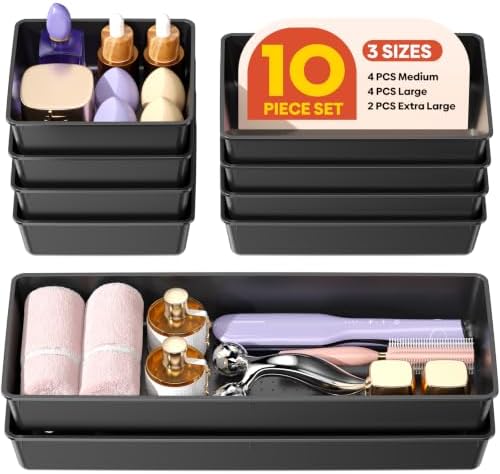
Once you have evaluated your items, consider employing storage solutions such as trays, bins, and drawer organizers. Trays can serve well for dividing frequently used items like pens, paper clips, and notepads, making them easily accessible. Different bin sizes can be utilized to segregate larger supplies, such as binders or file folders, maintaining a clean aesthetic and functionality. Drawer organizers can further optimize space, ensuring that they accommodate various items efficiently without causing clutter.
A strategic approach to organizing your desk involves using a labeling system as well. Clear labels assist in quickly locating items and make it easier to return things to their designated places, thereby sustaining the order you establish. To minimize distractions, ensure only the essentials are on the desk surface; this includes your computer, a notepad, and a few vital tools. A clean desk often correlates directly with a clear mind, which significantly enhances focus.
Lastly, maintaining an organized workspace will require routine checks. Develop a habit of reassessing the contents of your desk weekly or monthly, which aids in upholding tidiness and adopting a clutter-free mindset. By following these practical steps, you can transform your home office desk into a space that fosters productivity and clarity, benefiting both your work outputs and your overall well-being.
Creating a Personal Touch and Productivity Plan
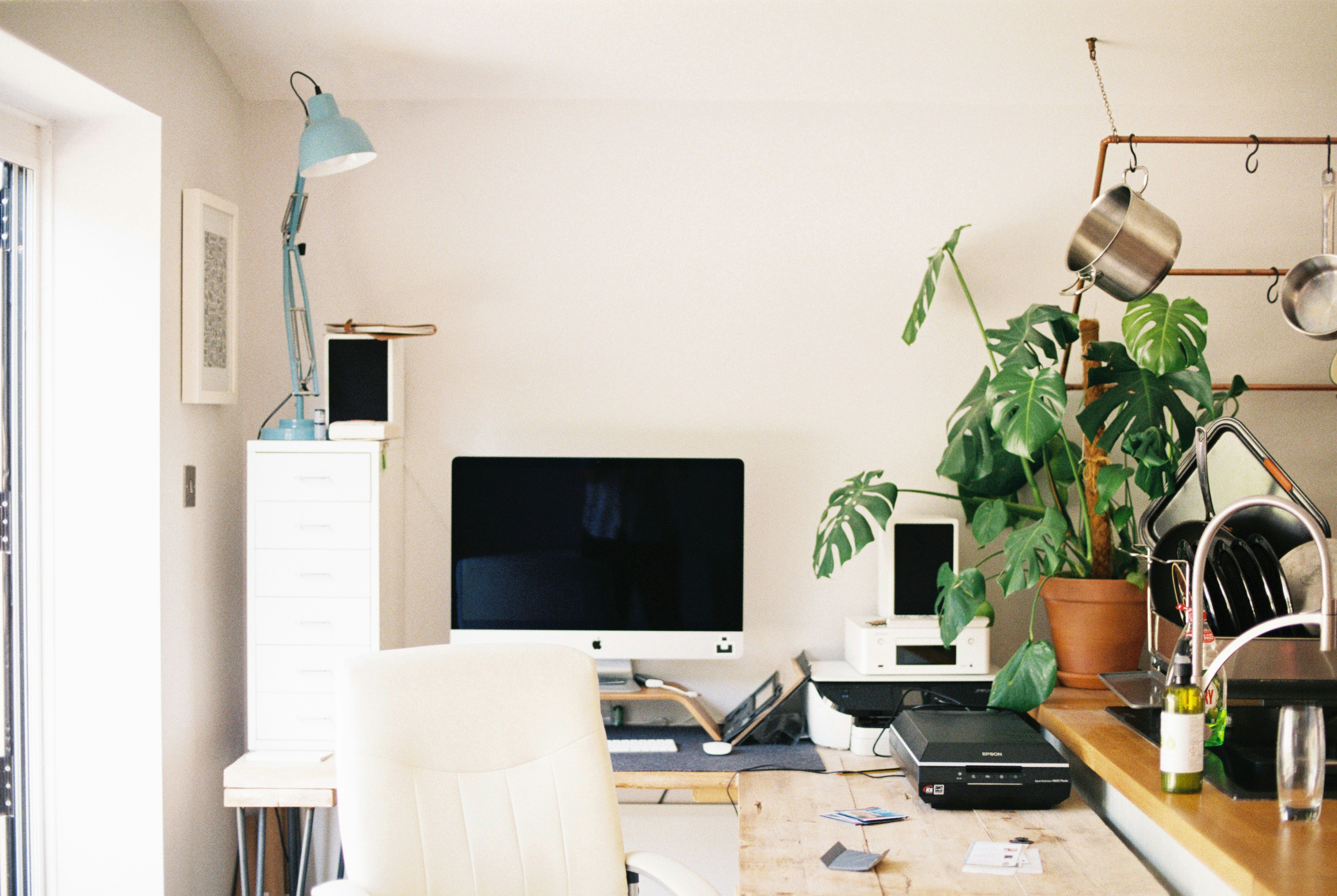
In order to foster a productive atmosphere in your home office, it is essential to add a personal touch that can motivate and inspire creativity. Personalizing your workspace allows for an environment that reflects your individuality, which can significantly enhance your day-to-day experience. Consider incorporating elements such as plants, which not only improve air quality but also elevate mood and focus. Additionally, artwork or photographs of loved ones can serve as daily reminders of personal aspirations and achievements, ultimately creating a sense of comfort and belonging in your workspace.
Moreover, to effectively harness the power of a personalized workspace, it is equally important to establish a productivity plan. This plan should focus on creating a structured workflow that aligns with your work habits and enhances overall efficiency. Begin by outlining your daily tasks, categorizing them by priority and expected timeframes. Utilizing tools like to-do lists or digital planners can help organize these tasks and visualize progress throughout the workday.
In conjunction with task management, scheduling designated breaks can significantly impact productivity. Regular intervals for rest not only reduce fatigue but also refresh the mind, allowing for greater concentration when returning to work tasks. Employ techniques such as the Pomodoro Technique, which advocates for working in focused bursts interspersed with short breaks, to maintain sustained attention and energy levels.
Ultimately, creating an engaging and personalized home office desk, coupled with a strategic productivity plan, will contribute to a more productive work environment. By integrating elements that inspire creativity while also maintaining a clear framework for task organization and breaks, you can elevate your work efficiency and overall satisfaction within your home office.